The comment in English is followed by Arabic
يتبع التعليقَ باللغة الإنجليزية ترجمتُه إلى اللغة العربية
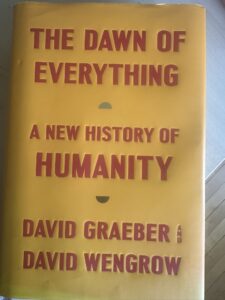
In 692 pages covering 12 major chapters, the two Davids—an archaeologist and an anthropologist—make a compelling effort to reinterpret prehistory, Indigenous societies, and their rich cultural heritage in art, music, social organization, and the management of daily life. Their work challenges the conventional view that has long dominated academic disciplines, particularly the notion of a “savage” and “primitive” stage of prehistory characterized by hunter-gatherer societies, followed by agriculture and its implications for settled life, which supposedly led to the beginnings of civilization as we commonly understand it.
Indigenous thinkers were influencing European political thought
A fascinating chapter explores conversations between European colonists and Indigenous American intellectuals.
The authors argue that Indigenous critiques of European society—pointing out Europe’s inequality, poverty, and authoritarianism—influenced Enlightenment thinkers much more than history usually acknowledges.
Rather than Europe inventing ideas about liberty and equality entirely on its own, these ideas were shaped through dialogue with Indigenous societies.
Personally, although I always had some doubts, I accepted this mainstream model of civilizational development until I read this rich, well-researched, and thought-provoking book, which presents a radically different perspective. My long-standing interest in Indigenous cultures around the world has motivated me for decades to learn more about the lives and histories of the Indigenous peoples of our planet.
This book is essential reading for anyone open to a new and revolutionary perspective—one that moves beyond the traditional Eurocentric academic view of the prehistoric period and its often limited interpretations of the past- including the origins of ownership, slavery, property, & democracy . It offers a fresh and stimulating framework for understanding human societies and their development, challenging many assumptions that have long been taken for granted.
In Arabic
في 692 صفحة موزعة على 12 فصلاً رئيسياً، يبذل «الدافيدان»—أحدهما عالم آثار والآخر عالم أنثروبولوجيا—جهداً مقنعاً لإعادة تفسير عصور ما قبل التاريخ، والمجتمعات الأصلية، وتراثها الثقافي الغني في مجالات الفن والموسيقى والتنظيم الاجتماعي وإدارة شؤون الحياة اليومية. ويتحدى عملهما الرؤية التقليدية التي هيمنت طويلاً على التخصصات الأكاديمية، ولا سيما الفكرة القائلة بوجود مرحلة «همجية» و«بدائية» في عصور ما قبل التاريخ، تميزت بمجتمعات الصيد والجمع، تلتها الزراعة وما استتبعته من حياة مستقرة، والتي يُفترض أنها قادت إلى بدايات الحضارة كما نفهمها عادةً.
كان للمفكرين من السكان الأصليين تأثيرٌ في الفكر السياسي الأوروبي
يتناول أحد الفصول المثيرة في الكتاب الحوارات التي دارت بين المستعمرين الأوروبيين والمفكرين من السكان الأصليين في الأمريكتين.
ويرى المؤلفان أن انتقادات السكان الأصليين للمجتمع الأوروبي—التي سلطت الضوء على مظاهر اللامساواة والفقر والاستبداد في أوروبا—كان لها تأثير في مفكري عصر التنوير أكبر بكثير مما تعترف به الرواية التاريخية التقليدية.
وبدلًا من أن تكون أوروبا قد طورت أفكار الحرية والمساواة بصورة مستقلة تمامًا، يجادل المؤلفان بأن هذه الأفكار تشكلت أيضًا من خلال الحوار والتفاعل مع مجتمعات السكان الأصليين.
أما على المستوى الشخصي، فعلى الرغم من أنني كانت لدي دائماً بعض الشكوك، فقد قبلت هذا النموذج السائد لتطور الحضارات إلى أن قرأت هذا الكتاب الثري، المدعوم ببحثٍ رصين، والمحفّز على التفكير، والذي يطرح منظوراً مختلفاً جذرياً. لقد كان اهتمامي الطويل الأمد بالثقافات الأصلية حول العالم دافعاً لي، على مدى عقود، للتعرف بصورة أعمق إلى حياة الشعوب الأصلية على كوكبنا وتاريخها.
يُعد هذا الكتاب قراءةً أساسية لكل من ينفتح على رؤية جديدة وثورية، رؤية تتجاوز المنظور الأكاديمي الأوروبي المركزي التقليدي لعصور ما قبل التاريخ وتفسيراته المحدودة في كثير من الأحيان للماضي، بما في ذلك أصول الملكية والعبودية والممتلكات والديمقراطية. فهو يقدم إطاراً جديداً ومحفزاً لفهم المجتمعات البشرية ومسارات تطورها، ويتحدى العديد من المسلّمات والافتراضات التي ظلت مقبولة على نطاق واسع لفترة طويلة.

