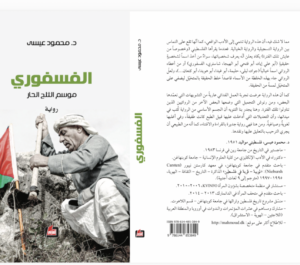
Introduction -al-Fosfori
Dedication – To the children of Gaza and the refugee camps.
Jawad, Layla, Halima, Shastri, DePhosphori, and Abu Ghaida — “Six Characters in Search of an Author.” I shared a profound and enriching experience with them. I was a witness to their lives, and they were witnesses to mine, in the Palestinian refugee camps of Lebanon and the al-Ahrash region during the late 1960s. None of us was merely a single character; rather, each of us carried within us many different selves, as the celebrated Italian writer Luigi Pirandello (28 June 1867 – 10 December 1936) expressed in his renowned play Six Characters in Search of an Author, first premiered in 1921, for which he was later awarded the Nobel Prize in Literature.
Pirandello wrote:
“Each of us is made up of several characters, according to the many possibilities that exist within us. For some people, each of us is a single, defined person; for others, we become someone entirely different. Indeed, the same individual becomes a new person with every new act, and becomes yet another person in relation to every other human being.”
These six figures — and their companions and comrades — were real and particular people to me. For readers, they may become different people; indeed, each reader may see them through a different lens. Yet I have portrayed them as they appeared to me during that time and within those circumstances.
I had not yet reached the age of eighteen when I wrote this work — if it may truly be called a novel. I knew these people intimately: Shastri, Phosphori, Halima and Suad, Abu Ghaida, Abu Kanaan, and others. The depth of the experience I had lived through, an experience of which I was both witness and participant, compelled me to record what I saw and heard, day after day.
I left those handwritten pages behind in the home of relatives in Syria and went into exile: first to Germany, then Paris, and finally Denmark. By pure chance — I rediscovered those papers after the passing of so many years. I was overwhelmed when I read them again. One persistent question followed me everywhere:
What should become of these pages? Should I revise them and send them into the world, or should I leave them among the countless unpublished manuscripts resting in my archives?
Three fundamental factors shaped my hesitation at first, and later my decision to publish these pages — this novel.
- My doctoral dissertation in English literature, completed at the University of Copenhagen in Denmark in 1993, examined the novels of the Polish-born writer Joseph Conrad. That work made me deeply hesitant to take the risk of publishing these pages as a novel.
Any reader encountering works as Heart of Darkness, Lord Jim, or Nostromo, they may well say: “The distance between those novels and mine matches the distance between earth and the stars.” That is precisely what I said to myself.
- Receiving a grant from the Danish Research Centre to investigate the history of a destroyed Palestinian village — my own village, Lubya — transformed my understanding of these forgotten pages.
The interviews I conducted with nearly five hundred people across more than ten countries, the hundreds of documents I gathered from numerous archives in Europe and elsewhere concerning Lubya — its history, families, wells, and finally the expulsion of its inhabitants and the complete destruction of the village — as well as the scattered locations of its people throughout the world, all compelled me to return to the writings I had produced more than half a century earlier.
I came to realize the extraordinary value of every single scrap of paper.
The only photograph of Lubya before its destruction exists solely in the archives of the occupier. One must pay one hundred dollars to obtain an image of one’s own homeland — of the village of one’s ancestors!
When I began my research, I found only two pages in the Palestinian Encyclopedia, a small booklet by Dr. Ibrahim al-Shihabi, and an article by the critic Yusuf al-Yusuf in Al-Hurriya newspaper.
Today, my Danish-language book, Lubya was a Village in Palestine — Memory, History, Culture, Identity, has been translated into nine foreign languages: (Lubya, a Palestinian village in Galilee – An Unforgettable Symphony), and has inspired two documentary films. The village has become the subject of five master’s and doctoral theses, and its reconstruction became the theme of a competition among university students from Jordan and Palestine under the sponsorship of Dr. Salman Abu Sitta in 2021. Our modern and contemporary history has yet to be written by those who truly lived it. And so I said to myself: The time has come for this novel to see the light of day, despite its artistic flaws
- My dear friend Abd al-Fattah al-Qalqili (Abu Na’il) encouraged me and repeatedly urged me to publish these pages — this novel — without making substantial changes to the original manuscript.
The encouragement of Abu Na’il, together with that of several other friends, played the decisive role in bringing this work into existence. It was eventually published by the Sakhir Habash Center for Studies and Documentation in 2013, although only a limited number of copies were printed and distributed among friends. Abu Na’il, for whom I remain grateful, carefully reviewed these pages while preserving their essential character, ensuring that they continued to reflect the age of the writer and the cultural horizon from which they emerged.
Once again, it was chance that returned these pages to me — in my aunt’s house in Yarmouk Camp, more than two decades after they were written. And once again, chance brought me to Ghassan Shihabi, owner of Al-Shajara Publishing House, who undertook the printing of the manuscript, which eventually reached publication, as mentioned earlier. (The reader may find the commentary published at the end of the novel in the cultural supplement of Al-Ayyam newspaper, dated 28 May 2013.)
This is the story of a generation of young men and women from Palestinian refugee camps — from Gaza, Galilee, the West Bank, and the Diaspora — who dared to confront the impossible. They offered the best years of their youth as a sacrifice for their dreams and convictions. They scattered seeds upon the earth, seeds destined one day to bloom, bearing both fruit and thorns, to enter the vast landscape of the Arab world: a world that still dreams of freedom, dignity, and justice, although it carries wounds of defeat, disappointment, and attempts of both internal and external forces to impede history’s progress. Yet the season of harvest has not yet arrived.
A Brief Word on Contemporary Genocide: The ongoing genocide against the Palestinian people in Gaza and the refugee camps — particularly in Jenin, Ein Shams, and Tulkarm — and before that in Sabra and Shatila forty-three years ago, represents a continuation of the campaign of genocide, displacement, and ethnic cleansing that befell two-thirds of the Palestinian people in 1947 and 1948.It is among the most brutal campaigns of its kind since the end of the Second World War.
The only difference is that, at that time, there were no live broadcasts and no modern instruments of communication.
The deliberate killing of more than 250 journalists — men and women alike — and the banning of media access to Gaza have not succeeded in concealing the scorching truth of genocide from the immense European and American media machinery seeking to obscure the scale of the atrocities and massacres.
It is true that Palestine has many enemies, as Rosemarie Sayigh wrote in the title of one of her books. Yet it is equally true that Palestine and its cause have many friends.
The hundreds of thousands of people who have taken to the streets of European and American cities represent a profound shift — a sign of a historic transformation among peoples who increasingly stand with Palestine and reject genocide and forced displacement.
Who could have imagined Zohran Mamdani’s victory in the New York elections despite the millions spent by the giants of capital to defeat him?
Who could have imagined the defeat of the representatives of the government in Copenhagen’s municipal elections after more than a century of dominance over the city administration, in the shadow of their silence regarding the war of extermination in Gaza?
Perhaps immediate results are not yet visible, but the days ahead may correct this historic imbalance — an imbalance that has endured for nearly eighty years.
History offers vital lessons from Algeria, Vietnam, South Africa, Afghanistan, and Lebanon, let alone the failure of nearly two centuries of Crusader campaigns aimed at conquering our lands and imposing domination upon them.
Militarized Sparta disappeared, but Athens — through its culture — endured and triumphed.
And Gaza, whose history stretches back more than 5,700 years, will endure, prevail, and be rebuilt.
The fifteen million Palestinians — half of whom are refugees living in camps and in the diaspora — possess the full right to return to their cities and villages, to determine their own destiny, and thereafter to choose the future of their state.
Finally, none of the real -life characters portrayed in this novel remains alive today; only the fictional characters do. Therefore, I felt it my responsibility, as a researcher, to bring this work forward — perhaps to fill a gap in our understanding of that era, with all its virtues and flaws, its triumphs and failures, through the novel’s six chapters. Once I release it to the printing press, it is no longer mine. I entrust it to you — to read it, to reflect upon it, and ultimately to judge it, whether in its favor or against it.
الفسفوري
موسم الثلج الحار
د. محمود عيسى
الفسفوري
موسم الثلج الحار
رواية
دار الفارابي
الكتاب: الفسفوري… موسم الثلج الحار
المؤلف:د محمود عيسى
الناشر: دار الفارابي – بيروت -لبنان
ت: 301461)01( – فاكس: 307775)01(
ص.ب: 3181/11 – الرمز الربيدي: 2130 1107
com.alfarabi-dar.www
com.alfarabi-dar@info :mail-e
الطبعة الثانية: كانون الثاين 2026
:978-614-485-384-9ISBN
©مجيع احلقوق حمفوظة
ً تباع النسخة إلكرتونيا عرب موقع الدار.
المقدمة
إهداء إلى أطفال غزة والمخيمات
جواد، وليلى، وحليمة، وشاستري، والفوسفوري، وأبو غيدا — «ستّ شخصيات تبحث عن مؤلف». عشت معهم تجربة غنية، كنت شاهدًا عليهم، وكانوا شهودًا عليّ في مخيمات لبنان ومنطقة الأحراش في أواخر ستينيات القرن العشرين. لم يكن كلّ منا شخصية واحدة، بل كان كلّ منا عدة شخصيات، كما يقول لويجي بيرانديلو، الكاتب الإيطالي الشهير (28/6/1867–10/12/1936)، صاحب المسرحية العالمية «ستّ شخصيات تبحث عن مؤلف»، التي عُرضت لأول مرة في روما عام 1931، والحائز على جائزة نوبل للآداب. يقول بيرانديلو: «كل واحد منا له شخصيات متعددة بعدد الإمكانيات التي تكمن فينا. بالنسبة للبعض يكون كلّ منا شخصًا واحدًا محدّدًا، وبالنسبة لآخرين يكون شخصًا مختلفًا تمامًا. بل إن الشخص الواحد يكون شخصًا جديدًا عند كل عمل جديد، كما أنه شخص آخر في علاقته مع كل شخص آخر.» هؤلاء الستة، وزملاؤهم ورفاقهم بالنسبة لي كانوا أشخاصًا معيَّنين، وربما يكونون آخرين بالنسبة للقراء، بل قد يبدون مختلفين لكل قارئ على حدة. لكنني رسمتهم كما كانوا بالنسبة لي في تلك الفترة وضمن تلك الظروف. حينها لم أكن قد تجاوزت الثامنة عشرة من عمري عندما كتبت هذه الرواية — إذا صحّ تسميتها رواية. كانت عندي المعرفة العميقة بشخصياتها العديدة: شاستري، والفوسفوري، وحليمة وسعاد، وأبو غيدا، وأبو كنعان…، والتجربة الغنية التي كنت شاهدًا عليها ومعاصرًا لها دفعتني أن أدوّن ما شاهدت وسمعت يومًا بيوم. تركتُ تلك الأوراق المكتوبة بخط اليد في بيت لأقرباء في سوريا، وغادرت إلى بلاد المهجر: ألمانيا وباريس، وأخيرًا الدنمارك. شاءت الصدفة — والصدفة وحدها — أن أَعثر على هذه الأوراق بعد كل هذه السنين الطويلة. كم دُهشتُ عندما قرأت هذه الأوراق من جديد. بدأ السؤال الملحّ يلاحقني بشكل شبه دائم: ماذا عليّ أن أفعل بهذه الأوراق؟ هل أدقّقها وأدفعها للنشر، أم أتركها ضمن أوراقي غير المنشورة التي تكتظ بها خزانتي؟
ثلاثة عوامل أساسية كانت وراء ترددي أولًا، وقراري لاحقًا بطباعة هذه الأوراق (الرواية)
- . رسالة الدكتوراه في الأدب الإنكليزي، وموضوعها روايات الكاتب البولندي الأصل جوزيف كونراد التي أنجزتها في جامعة كوبنهاغن في الدنمارك سنة 1993، جعلتني أتردد كثيرًا في المجازفة بطباعة أوراقي كرواية. فعندما يقرأ القارئ رواية «قلب الظلام» أو «اللورد جيم» أو «نوسترومو» سيقول: «شتان بين الثرى والثريا»… هذا ما قلته في نفسي.
- حصولي على منحة من مركز الأبحاث الدنماركي للبحث في تاريخ قرية فلسطينية مهدَّمة (هي قريتي لوبية)، والمقابلات التي أنجزتها مع ما يناهز خمسمائة شخص في أكثر من عشرة بلدان، ومئات الوثائق من أرشيفات متعددة في أوروبا وغيرها عن القرية (لوبية) وتاريخها وعوائلها وعدد آبارها، وأخيرًا تهجير أهلها وتدمير القرية كليًا، وأماكن تواجد أهلها المنتشرين في العالم… كل هذا دفعني لإعادة النظر بالأوراق التي كتبتها قبل ما يزيد عن خمسة عقود، إذ أدركت الأهمية القصوى لكل قصاصة ورق. فالصورة الوحيدة لقرية لوبية قبل تدميرها بالكامل موجودة فقط في أرشيف المحتل… تدفع مئة دولار للحصول على صورة لبلدك، ولقرية الأجداد!!! عندما شرعت في بحثي فلم أجد سوى صفحتين في الموسوعة الفلسطينية وكتيبًا صغيرًا للدكتور إبراهيم الشهابي ومقالة للناقد يوسف اليوسف في جريدة الحرية. الآن كتابي باللغه الدنمركيه عن (لوبية: كانت قرية في فلسطين — الذاكرة، التاريخ، الثقافة، الهوية) مترجَم إلى تسع لغات أجنبية وفيلمين وثائقيين، وجُعلت القرية موضوعًا لخمس أطروحات ماجستير ودكتوراه، وإعادة إعمارها في مسابقة بين طلاب جامعيين من الأردن وفلسطين برعاية الدكتور سلمان أبو سِتّة في 2021. إن تاريخنا الحديث والمعاصر لم يُكتب بعد بأقلام صانعيه الحقيقيين. فقلت في نفسي أيضًا: آن الأوان لهذه الرواية أن ترى النور، رغم عيوبها الفنية.
- الصديق العزيز عبد الفتاح القلقيلي (أبو نائل) شجَّعني، وحثَّني أكثر من مرة على طباعة هذه الأوراق (الرواية) بدون أي تعديل جوهري على المخطوطة الأصلية. فتشجيع الصديق أبو نائل، وعدد من الأصدقاء، لعب الدور الأساسي والحاسم كي ترى الرواية النور وتصدر عن مركز صخر حبش للدراسات والتوثيق عام 2013، لكن بنسخ محدودة وزُعّت على الأصدقاء والصديقات. وقد قام أبو نائل مشكورًا بمراجعة هذه الأوراق، مع الحرص أن تبقى معبرة عن سنّ الكاتب وثقافته عند كتابتها.
جاءت الصدفة لتعيد إليّ هذه الأوراق في بيت عمّتي في مخيم اليرموك بعد أكثر من عقدين من كتابتها. وبالصدفة تعرفت على غسان شهابي، صاحب دار الشجرة، الذي قام بطباعة المخطوطة، والتي وصلت إلى الطباعة في مركز صخر حبش للتوثيق كما أسلفت سابقًا. (بالإمكان قراءة التعليق في نهاية الرواية والمنشور في الملحق الثقافي لجريدة الأيام في 28.5.2013.)
هذه تجربة مجموعة من الشباب والشابات من مخيمات اللاجئين الفلسطينيين، من غزة والجليل والضفة والشتات، الذين تجرأوا على اقتحام المستحيل، ودفعوا زهرة شبابهم وشبابهن ثمناً لأفكارهم وأفكارهن، وفرشوا الأرض بذورًا ستينع يوما, بما لها من ثمار وشوك، لتُنشر في فضاء العالم العربي بما فيه من ربيع يلهج بألحان الحرية والكرامة والعدالة، وما به من انتكاسات وخيبات، وركوب أمواجها من قوى استغلال داخلية وخارجية؛ وما زال موسم الحصاد بعيدًا.
كلمة مختصرة عن الإبادة المعاصرة: الإبادة الدموية المستمرة منذ سنتين ضدّ الشعب الفلسطيني في غزة ومخيمات اللجوء خصوصًا في جنين وعين شمس وطولكرم، وقبلها في صبرا وشاتيلا منذ ثلاثة وأربعين عامًا، هي امتداد طبيعي لحملة الإبادة والتهجير والتطهير العرقي التي طالت ثلثي شعب فلسطين سنتي 1947 و1948، وهي الأكثر وحشية منذ انتهاء الحرب العالمية الثانية. الفرق الوحيد أنه لم تكن محطات تلفزيونية مباشرة أو وسائط التواصل المعاصرة آنذاك. إن قتل أكثر من مئتين وخمسين صحفيًا وصحفية عمدًا ومنع أي وسيلة إعلامية من دخول القطاع لم ينجح في حجب الشمس الحارقة لحقيقة الإبادة أمام الماكينة الإعلامية الأوروبية والأمريكية الهائلة لحجب التغطية وهول الإرهاب والمذابح. صحيح أن لفلسطين أعداء كثيرين كما كتبت روز مري صايغ كعنوان لأحد كتبها، لكن الأصح أن لفلسطين وقضيتها أصدقاء كثيرين أيضًا. إن مئات الآلاف من المتظاهرين والمتظاهرات في مدن أوروبا وأميركا في مشهد ينبئ بتغيير هائل بين الشعوب الأوروبية لصالح فلسطين ورفضًا للإبادة والتهجير.من كان يتوقع ان ينجح زهران ممداني في انتخابات نيويورك رغم الملايين التي دفعت من اساطين راس المال لاسقاطه؟ من كان يتوقع سقوط ممثلي الحكومه في انتخابات بلدية كوبنهاجن بعد سيطره على البلديه لما يزيد عن مئه عام علي خلفيه صمتهم على حرب الاباده في غزه؟ قد لا نحصل على نتائج آنية اليوم، لكن قادم الأيام كفيل بأن يصحّح هذا الخلل التاريخي مستقبلًا الذي ساد لما يقارب الثمانين عامًا. ولنا عبرة بما حصل للغزاة في الجزائر، وفيتنام، وجنوب أفريقيا، وأفغانستان، وجنوب لبنان. هذا إذا استثنينا فشل ما يقرب من قرنين من الحروب الصليبية لاحتلال بلادنا وفرض الهيمنة عليها. إن إسبرطة اليونانية بعسْكَرتها اندثرت، لكن أثينا بثقافتها انتصرت. وغزة بعمرها الممتد لأكثر من 5,700 عام ستنتصر ويعاد إعمارها. إن خمسة عشر مليون فلسطيني، ونصفهم لاجئون في المخيمات والشتات، لهم الحق الكامل بالعودة إلى مدنهم وقراهم وتقرير مصيرهم بأنفسهم أولًا، وبعد ذلك بخياراتهم لمستقبل دولتهم.
وأخيرًا:
لم يبق أحد من شخصيات الرواية على قيد الحياة سوى الشخصيات المتخيله. لذلك رأيت من واجبي كباحث أن أدفع بهذا العمل لعلي أسدّ ثغرة معرفية بهذه الفترة بما لها وما عليها، بإيجابياتها وسلبياتها. لهذا أقدّم لكم هذه الرواية بفصولها الستة والمتنقلة في فضاءات جغرافية متعددة، وبمجرد دفعها إلى المطبعة أكون قد تخليت عنها لكم لتقرؤوها وتحكموا لها أو عليها…